Everyone prepares for birth. Almost no one prepares for what comes immediately after.
The first 48 hours postpartum are, in many traditional cultures, considered the most sacred and most fragile window of a woman's life. The body has just done something enormous. The baby has just arrived into the world. And the mother — though she may feel electric with love and adrenaline — is also in a state of radical openness that requires protection, not performance.
What your body is doing
In the hours after birth, your uterus is contracting back to size, your hormones are shifting dramatically, your milk is coming in, and the tissues that carried and birthed your baby are beginning to heal. This is not a time for visitors who need entertaining. It is a time for warmth, quiet, and food.
The first 48 hours set the tone for the first 40 days. And the first 40 days set the tone for everything that follows.
The foods that matter
Across traditional postpartum practices — Chinese zuo yuezi, Indian jaapa, Latin American la cuarentena — certain principles appear again and again. Warm, cooked, easy-to-digest foods. Broths. Soups. Foods that are warming to the body, not cooling. This is not superstition; it is an intuitive understanding of what a body that has just worked enormously actually needs.
Prepare these before birth. Freeze individual portions. Bone broth, lentil soup, oats, stewed fruits, warming spiced rice. Have them ready. Make eating effortless.
What to avoid in the first 48 hours
Cold foods and drinks. Raw salads. Anything that requires significant digestion. This is not forever — just the first days, when your system needs all its energy elsewhere.
The people who help, and the people who don't
Be honest with yourself before birth about who actually makes you feel calm and held, and who requires you to manage them. In the first 48 hours, you have capacity for the former. The latter can wait.
This is not unkind. It is necessary. A mother who is performing wellness for visitors is not resting. A mother who is not resting is drawing down reserves she needs for recovery and for the months ahead.
The rituals that protect the window
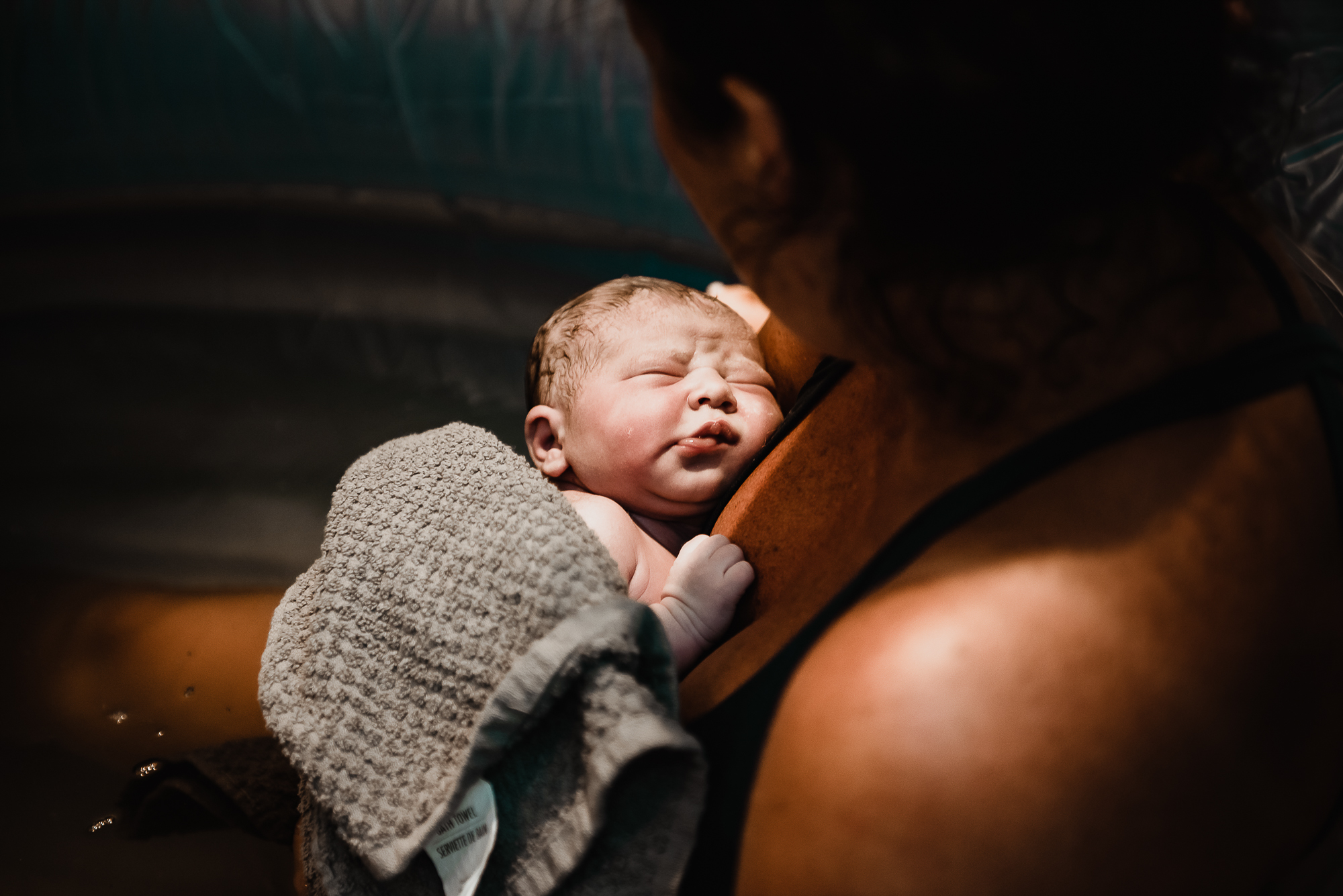
Low light. Warmth. Skin-to-skin with your baby. Quiet voices. No screens. These are not luxuries — they are the conditions under which your nervous system can finally exhale after months of anticipation and hours of labour. Protect them deliberately.
Assign someone — your partner, your doula, a trusted friend — to manage the boundary. They answer the phone. They respond to messages. They tell well-meaning people that you and the baby are doing beautifully and that you'll be in touch when you're ready.
This essay is part of the ongoing Journal at The Home Birth Path. Read next: The first 40 days: what to actually eat.